


Most plumbing problems don’t happen without warning. They develop gradually, over months or years, while everything above the surface looks fine. By the time a sewer line backs up or a pipe fails, the underlying issue has usually been building for a while.
The homeowners who deal with the fewest plumbing emergencies tend to have one thing in common: they treat their sewer system as something worth maintaining, not just something to fix when it breaks. This guide covers the tools and habits that make that possible, including what inspections reveal, how cleanouts work, what causes backups in the first place, and what a reasonable maintenance routine actually looks like.
Why Sewer Line Inspections Matter
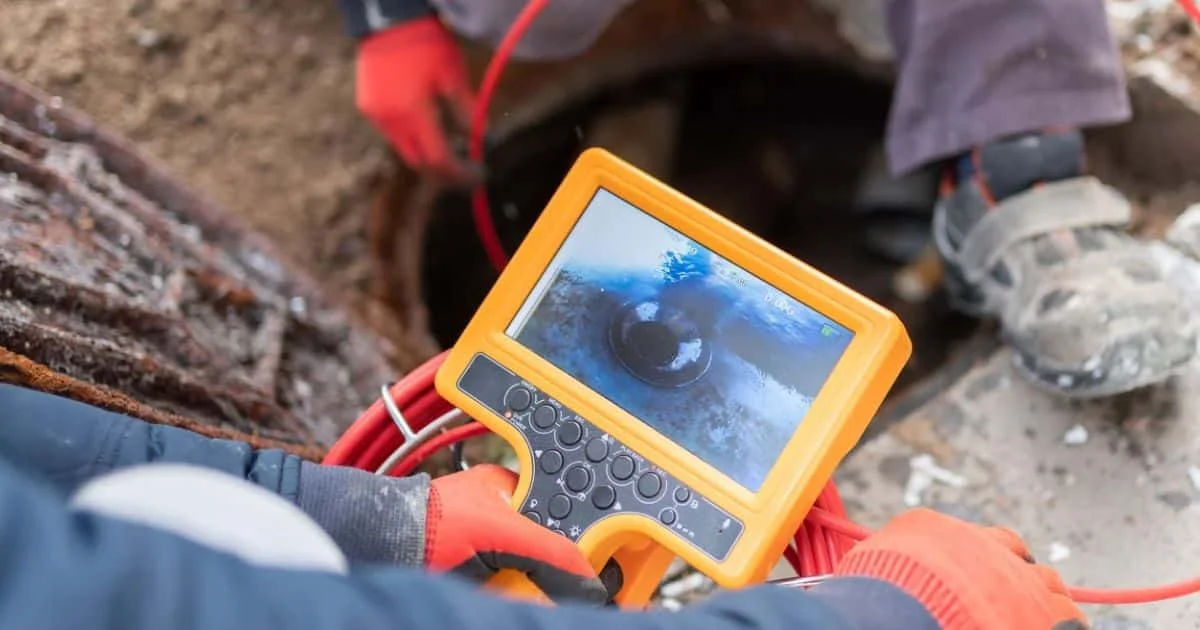
A sewer line camera inspection is the most accurate way to understand what’s happening inside your pipes. Unlike surface-level assessments, a camera threaded through the line gives a direct view of pipe condition, buildup, and any developing problems before they become failures.
An inspection can reveal common problems, including:
- Early-stage root intrusion before it restricts flow
- Grease or scale accumulation that’s narrowing the pipe
- Cracked, shifted, or separating joints
- Pipe material and age, particularly relevant in older homes with clay or cast iron
- Bellies or low spots where water and debris collect
For homeowners in Bloomington, Normal, and other Central Illinois communities, inspections are especially worthwhile in two situations: when buying or selling an older home, and when mature trees are growing anywhere near the sewer lateral. Both are common here, and both carry real risk that a camera inspection can quantify before it becomes a repair bill.
Annual inspections aren’t necessary for every home. But for properties with known root pressure, a history of backups, or pipe materials past their expected lifespan, a regular inspection interval makes sense.
What Causes Sewer Line Backups?
Understanding why backups happen makes it easier to prevent them. The most common causes fall into a few clear categories.
1. Root Intrusion
Tree roots seek moisture and find it through hairline cracks or slightly separated joints in sewer lines. Once inside, they branch and expand, restricting flow and eventually causing blockages or structural damage. This is one of the harder causes to prevent because root systems extend well beyond what’s visible above ground.
Homes near mature trees in areas like Le Roy, Heyworth, Hudson, and Lexington are particularly susceptible. Routine inspections are the most reliable way to catch intrusion before it becomes a serious problem.
2. Grease and Debris Accumulation
Grease poured down kitchen drains doesn’t travel far before it cools and solidifies on pipe walls. Over time, layers of grease catch other debris and progressively narrow the line until flow becomes restricted enough to cause a backup. This is one of the most preventable causes of main line problems, and consistent kitchen habits make a real difference in how often it becomes an issue.
3. Flushed Materials
Wipes, paper towels, dental floss, and similar items don’t break down in the drain system the way toilet paper does. These materials snag on minor imperfections in the pipe and accumulate quickly, often contributing to blockages that look like something more serious. A single household habit change eliminates this cause entirely.
4. Pipe Deterioration
Clay tile, cast iron, and Orangeburg pipe all have finite lifespans. As these materials age, joints separate, sections collapse, and flow becomes compromised regardless of what goes into the drain. Older homes throughout Central Illinois are the most likely to have these materials still in place, which is one reason inspections are especially valuable in established neighborhoods.
What to Expect From a Professional Sewer Inspection
When you call Covenant Plumbing for an inspection or cleaning, the process is straightforward:
- Camera inspection: We thread a camera through the line from the cleanout or a pulled fixture and review the footage with you so you understand exactly what we’re seeing.
- Diagnosis and options: We explain what the camera revealed, what’s causing any issues, and what the repair or maintenance options look like, including costs.
- Cleaning or repair: Depending on what the inspection shows, we’ll recommend hydro-jetting, snaking, or a repair method suited to the pipe’s condition.
- Follow-up camera check: After any cleaning or repair work, we run the camera again so you can see the results directly.
- Maintenance plan: If your home would benefit from a regular service interval, we’ll talk through what that looks like and why.
Building a Preventive Maintenance Routine
A consistent maintenance routine doesn’t require much time or expense. The goal is catching small problems before they become large ones and keeping the line clear enough that buildup never reaches a critical threshold.
For most homes, a reasonable routine includes:
- Annual or biennial camera inspections for homes with root pressure, older pipe materials, or a history of backups
- Periodic hydro-jetting in homes with recurring kitchen line buildup or confirmed root growth to clear accumulation before it causes a backup
- Monthly enzyme treatments in kitchen drains to break down grease and organic material between professional cleanings
- Drain covers in bathrooms to catch hair before it enters the line
- Consistent flushing habits throughout the household, with nothing other than toilet paper going down the toilet
For homes without a sewer cleanout, adding one as part of a scheduled service visit is worth considering. It’s a small upfront cost that makes every future service call faster and less expensive.
When to Call Covenant Plumbing
If it’s been a few years since your sewer line was inspected, you’ve had recurring backups, or you’re not sure whether your home has a cleanout, Covenant Plumbing serves homeowners throughout Bloomington, Normal, and surrounding Central Illinois communities.
We offer camera inspections, preventive drain cleaning, and honest recommendations based on what we actually find. Contact us to schedule a sewer line inspection and find out where your system stands.
Frequently Asked Questions
How often should I get a sewer scope inspection?
For older homes or properties with mature trees near the sewer lateral, an annual inspection is a reasonable interval. Newer homes with PVC pipe in good condition can typically go two to three years between inspections. Regardless of age or pipe material, an inspection is always worth scheduling before buying or selling a home.
Will a sewer camera inspection find every problem?
A camera inspection accurately identifies cracks, root intrusion, offset joints, bellies, and significant buildup in most cases. Severe blockages may require partial clearing before the camera can get a full view of the line. We document everything we find and walk you through the findings so you understand what’s there and what, if anything, needs to happen next.
Do I need hydro-jetting after an inspection?
Not always. If the inspection shows the line is in good condition with minimal buildup, cleaning may not be necessary. If we find significant grease accumulation, root growth, or scale, hydro-jetting is usually the right next step. It clears the line thoroughly without chemicals and helps prevent the same issues from recurring quickly.
Can I get a copy of the inspection video?
Yes. We can provide recordings and a summary of findings so you have a baseline for future comparisons. This documentation is also useful for real estate transactions and insurance purposes.
What if the inspection shows I need a repair or replacement?
We’ll walk you through the findings, explain your options clearly, and provide upfront pricing before any work begins. Financing is available for larger repairs, and our Meet or Beat Pricing Guarantee applies to qualifying second opinions if you want to compare estimates.




Members of our Comfort club gain these perks, and more!
-

Front of Line Priority when you need us
-
No regular trip fee – $89 savings on every visit
-
Water heater check & flush
-
Water quality test
-
Sump pump & pit visual inspection
-
10% discount on any service call
-
And much more!
$12.50 / Month
For details, call 309-340-1403
Comfort Club Membership
Join The Club To Get Priority Service & Discounts!
No one enjoys waiting around for a plumber to come fix those broken pipes or clear that nasty clogged drain. At Covenant Plumbing, we’ve made it easier than ever before to get the service you deserve when it’s most convenient for you.
Introducing our Comfort Club Membership! As a member you’ll enjoy many perks, including discounts on service & repairs, priority scheduling, and peace of mind–saving you time, energy, AND money.
Become a member for a Better Life & Total Peace of Mind! Call 309-340-1403 or sign up online.